Professional Orthodontic Self Ligating Brackets Supplier

What is Lingual Braces

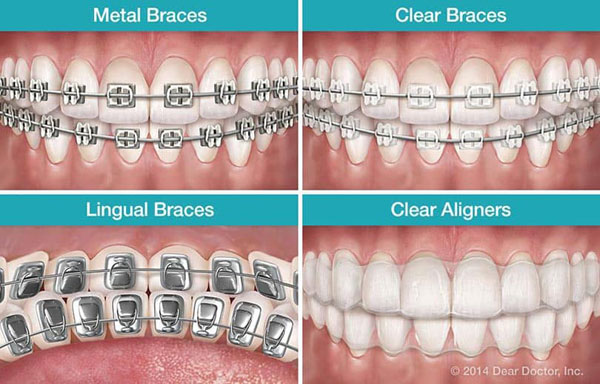
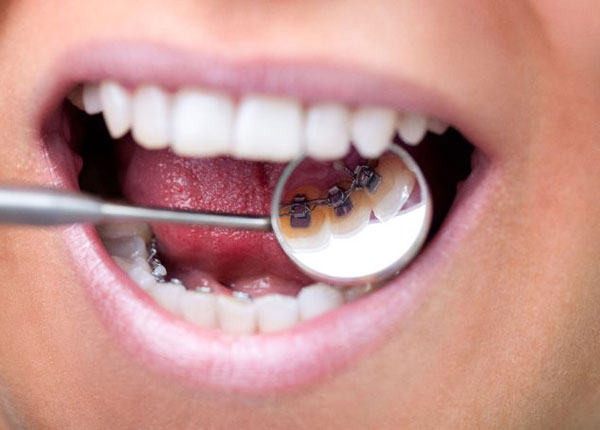
Lingual braces are a type of fixed orthodontic treatment where metal brackets and wires are attached to the back (tongue-side) of your teeth, making them completely invisible from the front when you smile, speak, or eat. They work just like traditional metal braces by applying gentle pressure to gradually move teeth into alignment, but their hidden placement offers maximum discretion.

They're ideal for adults, professionals, musicians (e.g., wind instrument players), or anyone prioritizing aesthetics without wanting removable aligners like Invisalign. Modern systems (e.g., Incognito, INBRACE) often use custom-made, low-profile brackets for better comfort and precision, sometimes with robotic wire bending.
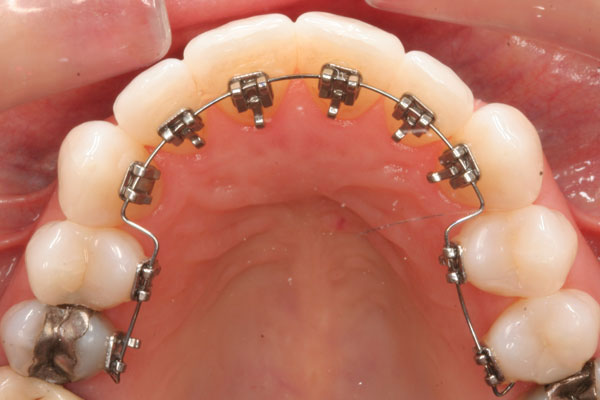
lingual-braces

Photo from www.arlingtondentalma.com

Pros and Cons

Advantages:

  • Completely invisible: No one can see them unless you open your mouth wide—perfect for image-conscious patients.
  • Effective for complex cases: Can treat crowding, spacing, overbites, underbites, and most malocclusions, often better than aligners for severe issues.
  • Fixed and always working: No need to remove them, ensuring consistent progress (unlike aligners which require 20-22 hours/day wear).
  • Safer for contact sports: Less risk of lip/cheek injuries compared to front-facing braces.

Disadvantages:

  • Initial discomfort: Tongue irritation or soreness is common in the first weeks/months as it adjusts to the brackets.
  • Speech impact: Temporary lisp or difficulty with certain sounds (e.g., "s" or "t"); usually resolves but can persist for some.
  • Harder to clean: Food traps more easily; requires diligent brushing, flossing, and tools like water flossers.
  • Longer adjustments: Appointments take more time due to the hidden position.
  • Not for everyone: May not suit deep overbites (brackets can pop off) or very small teeth.
lingual-braces

Photo from luxedentalcaremd.com

Cost and Treatment Time (as of 2025)

  • Cost: Typically $5,000–$13,000 (often $8,000–$10,000 average), higher than traditional metal braces ($3,000–$7,500) or ceramic due to customization, lab fees, and specialized orthodontist training. Insurance may cover part if medically necessary, but check your plan.
  • Treatment duration: 12–36 months (commonly 18–24 months), similar or slightly longer than traditional braces depending on case complexity.
lingual-braces

Photo from yangorthodontics.com

If discretion is your top priority and you're okay with the adjustment period, lingual braces can deliver excellent results. Consult a specialized orthodontist to see if they're right for you—many offer alternatives like Invisalign for comparison!

Read Our online Catalog

To download and view our latest products catalog, please click the button below.

Download